
Hunting & Heritage
|
09/29/2026
How a Dog Led Me to Upland Hunting
Finding Ivy's nose and purpose
by Ranie Lynds
Related Articles


Little did I know that I drove to Nebraska to pick up what would become a hunting companion. I didn't even own a shotgun.
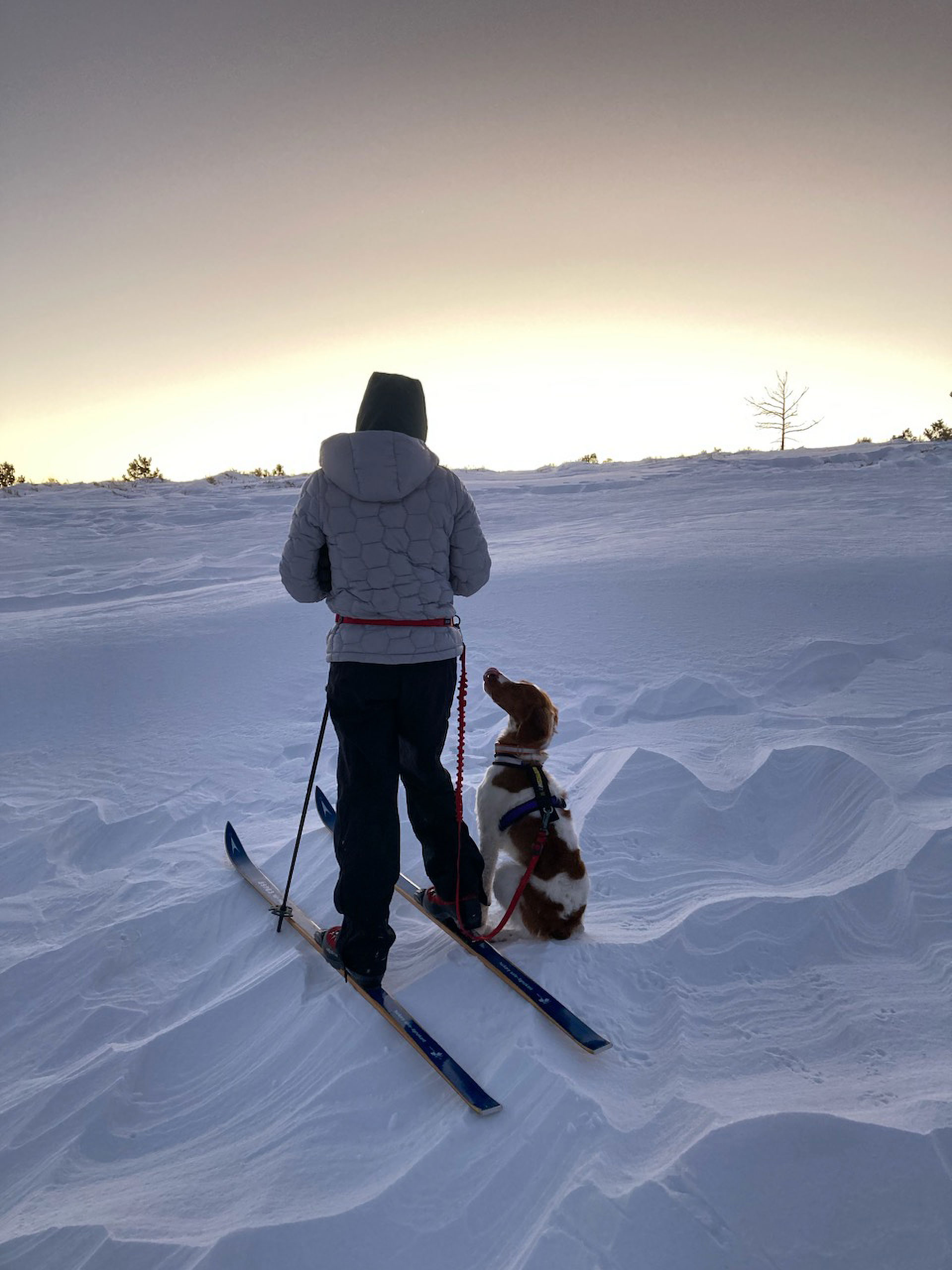
My French Brittany Cedar, with an estimated 35,000 lifetime trail-running miles alongside me, was finally slowing down.
Ironically, I grew up with hunting dogs but never got to hunt. By the time I was old enough, my grandfather was slowing down. His last hunting dog was a Brittany, cleverly named Britt, who seemed content with his life as a former hunter's porch-sitting friend.
As an adult, I have preferred bird dogs as recreational companions. Cedar's energy and desire to get out was contagious. There were many dark, snowy nights and bright, sunny days that I wouldn't have hit the trails if it hadn't been for her.
Ivy was an orange and white bundle of fur, with amber eyes that quickly made her opinions and inclinations known. Ants crawling on the sidewalk. Leaves falling from trees. Grasshoppers. Bunnies. The air. All was much more interesting than me.
Ivy was not Britt. Ivy was not Cedar. Britt never left my grandfather's side. Cedar always came back. This new pup had different plans. And I was panicked.
We enrolled immediately in local puppy classes and found helpful online resources. We worked hard at building our relationship, even earning an Advanced Trick title with useful tricks like backing up stairs and fetching a credit card.
But still, when outdoors, this pup's eyes would dilate, and I was not part of her world. We managed with classes and leashes and dog parks. But a trail running companion she was not.
On a whim, I found an opening at a pointing dog class in Montana put on by HerUpland, a nonprofit women's upland hunting organization. Without any knowledge other than good foundational training and a dog that I knew wanted to hunt but couldn't be trusted off leash, I drove a day and a half to the class.
As we crossed the Yellowstone River and headed into classic Montana territory, our excitement grew. We pulled up and were surrounded by a friendly group of orange-wearing, pointing-dog owners and a menagerie of fine-looking dogs.
What they thought of me, and my inability to express exactly why I was there, I can only guess.
What I found in that group was experience, compassion and encouragement. I decided my goal was to learn to trust the dog; and hopefully in the process the dog would learn to trust me.
I needed to figure out how to let Ivy off leash. In the context of birds, the instructors quickly modified how we'd work on this goal, and off we went.
When a duck chase went wrong and my pup decided to vacate the area in search of what exactly I am not sure, the instructors didn't bat an eye. We found Ivy and recalled her, and all was well … although we no longer have any visions of hunting ducks.
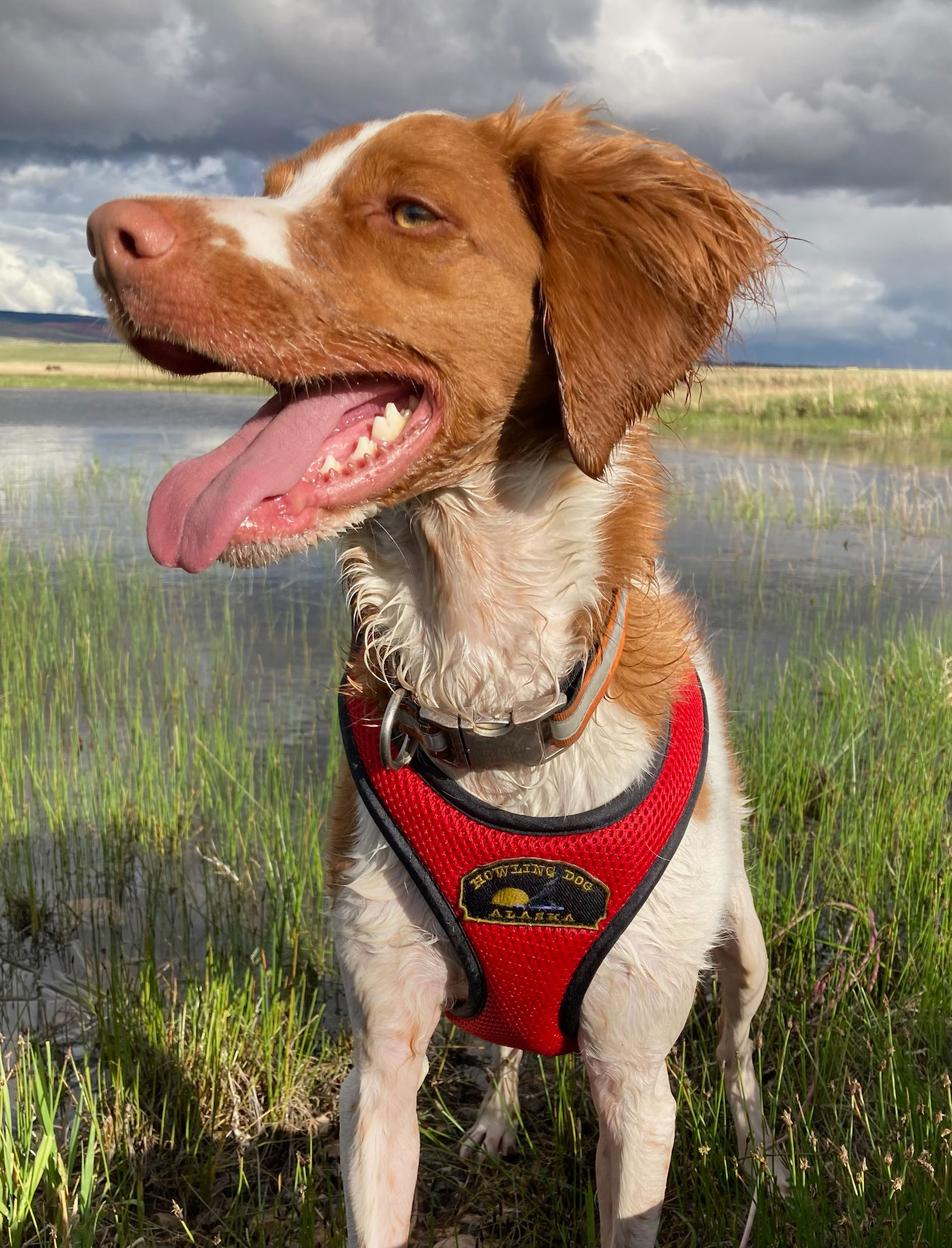
But what was she searching for then, and every other day? I don't think she knew. I didn't know. She was searching to search — searching for a purpose encoded in her genetics.
I left the camp with new friends, new mentors, a different view of bird dogs, and an eagerness to see what my dog could do.
Most importantly, I left with some trust that my dog and I could work together in the great outdoors.
We spent the summer working on off-leash skills with a chukar here and there. Come fall, pheasant season hit before I was ready. But it was time to see if our hard work would translate to pheasants.
A friend of mine was in town, mostly to hunt big game. But we decided to visit a public area to hunt pheasants. Although my friend had hunted pheasants before, we both had a lot of learning to do when it came to navigating the system as well as the land.
On that first outing, which lasted all day, Ivy pointed two birds and we missed both shots. But we watched her change throughout the day. This was the first time she'd ever seen a pheasant.
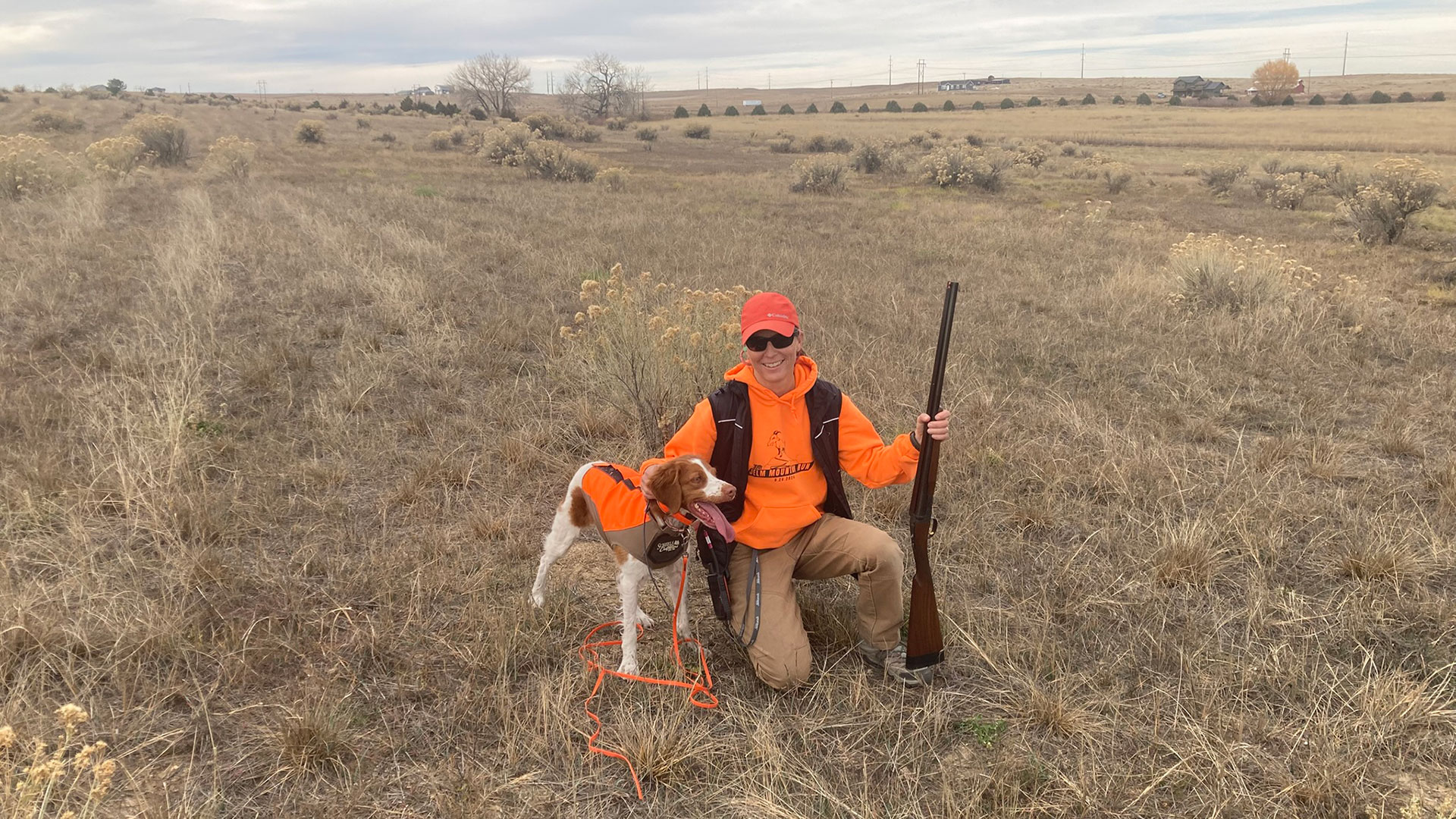
Day two, just as we reached the truck at the end of the day, we thought we heard a bird cackle. We were right. We watched the rooster fly to a thicket, and we sent Ivy forward. She locked up and didn't move.
With the two of us on opposite sides of the thicket, my friend, who was closest to the dog, indicated that the pheasant was going to come my way. He was right. It flew in front of me and somehow I dropped it with a fumbling shot.
I don't believe I've ever seen that much excitement in my pup. This was what she'd been trying to tell me about. And she was right.
We learned a lot on these outings, but mostly we learned that we needed to shift expectations and work together. Working toward the same goal and letting the dog do what she was bred to do was incredibly satisfying for us both.
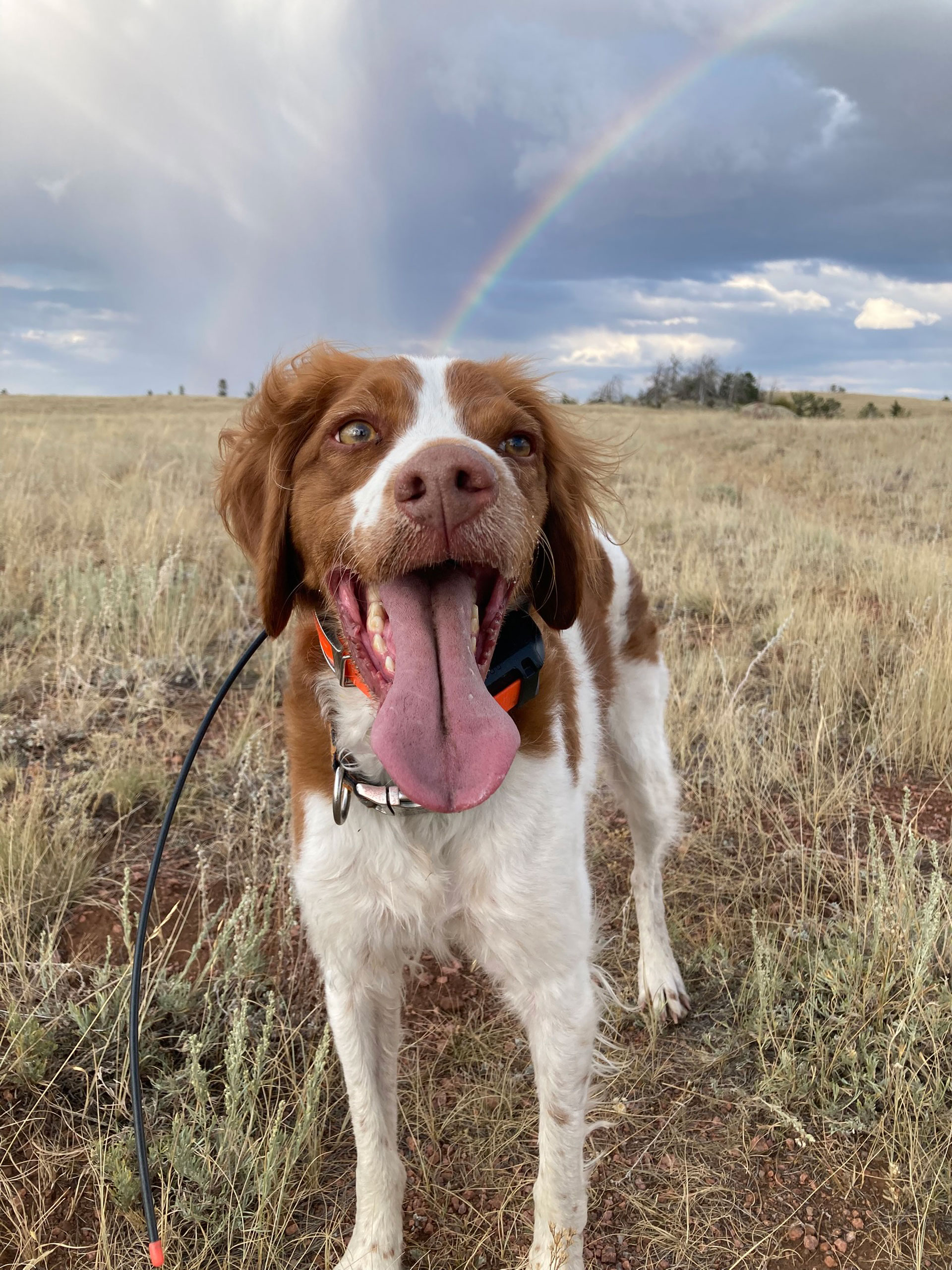
Ivy found her nose and her purpose; I found companionship and a new passion.
We've been out several more times, and each time Ivy improves. Ivy knows what to do. To watch her solid point is true beauty. I trust that point completely, although she is still learning that pheasants can run.
We both have a long way to go. That first pheasant I got was probably newbie's luck. I'm still borrowing a shotgun — a situation that I need to remedy.
We are working on steadiness through the shot, which turns out to be a whole new set of skills.
But that's right where we want to be. Maybe Ivy won't be my running partner, or chill with me on the back porch. But maybe we'll get there in the coming years. We are sure to have a lot of fun along the way.

Your cart is empty