
Hunting & Heritage
|
10/21/2026
Equalizers
Roosters always have the advantage, but sometimes you can tip the scales
by Tom Carpenter
Related Articles


If pheasants were easy to hunt, pheasant hunting would be no fun.
If pheasants were impossible to hunt, pheasant hunting would be no fun.
We red-blooded American rooster chasers, and our dogs, live somewhere in the middle of those two extremes.
Good days and bad days (although I would offer that a "bad" day pheasant hunting is better than most other days). Birds everywhere and birds nowhere. Some roosters holding or all the birds getting up wild. Can't miss a shot, can't make a shot.
We don't mind getting beat. But we would like to get beat less often.
That's where what I call "the equalizers" come in. While we can never swing the odds totally our way, there are conditions to look for, approaches to take, and mindsets to adopt, that can tip the scales at least a little bit back our way.
Wind
You can hunt pheasants without wind. But no breeze makes it tough: the dog can't smell birds ahead or around. A full-on gale makes hunting even harder — scent immediately disperses, making it difficult for the dog to follow and pinpoint birds.
Wind is good. And you take what you get. I will hunt in almost any wind. Just ask my hunting buddies, who do so too.
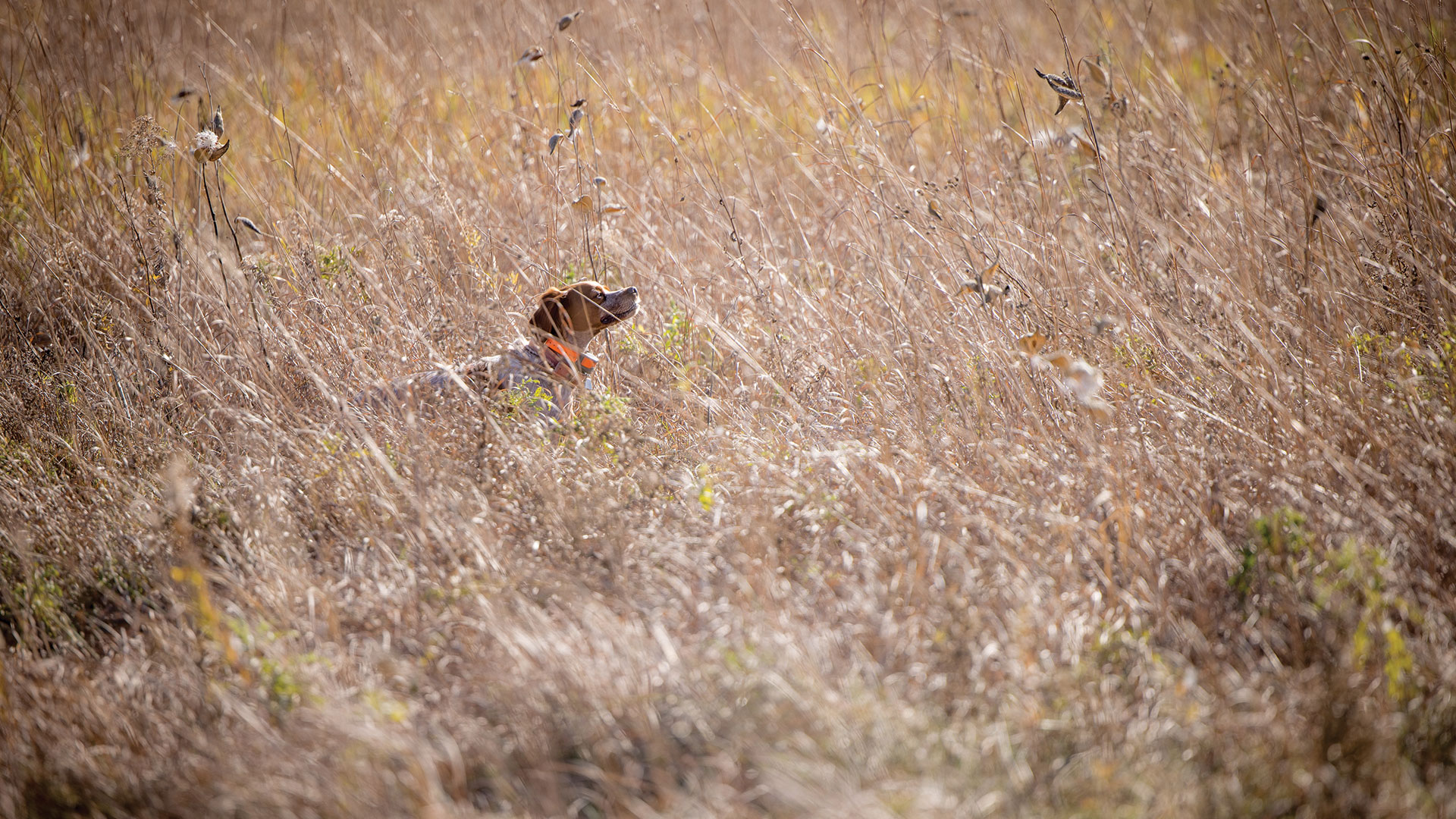
But where is the sweet spot? Give me some druthers, and I'll take anything over 5 mph, on up to maybe 25 mph.
That top end sounds like a lot. But it's not that much in pheasant country. And the dog can still find birds. But here is what I really like: More wind muffles noises we make, helps cover our approach, and helps us get closer to birds before they might realize what's up.
Make me choose a windspeed, and I would say 15 mph. Show me a forecast for 10 to 20 mph winds, and my heart is happy indeed.
Moisture
Hunting in tinder-dry conditions is tough. Hunting in the rain, I just don't need to do anymore. Our dogs need some moisture, but somewhere in-betweensies.
Give me some humidity in the air. But north of dust devils and south short of falling rain, is there a sweet spot?
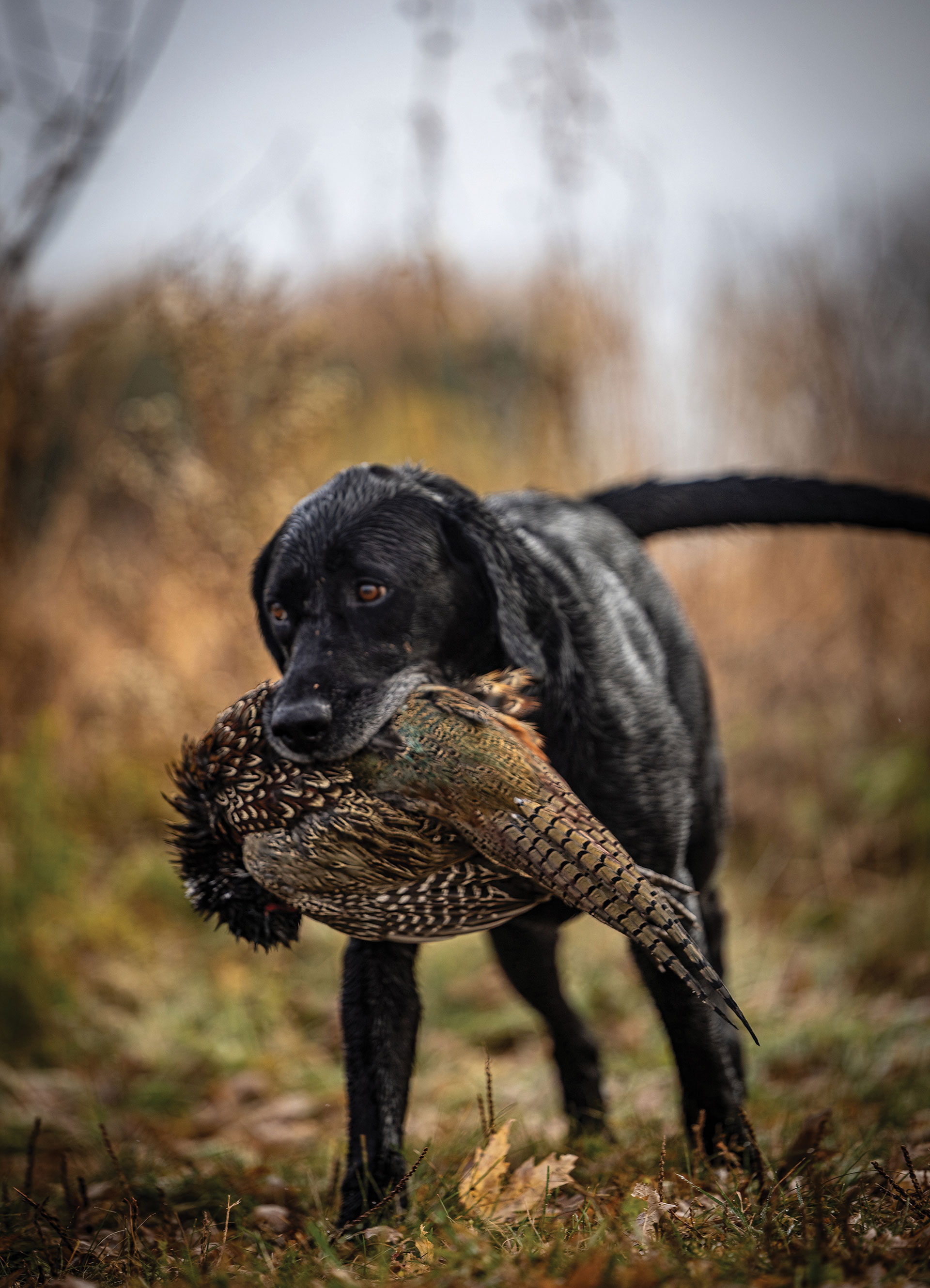
Humidity is more challenging than wind to measure and understand. Cool air always helps, because as a percentage, cool air holds more moisture than warm air. Clouds help too: no sunlight to evaporate moisture.
My friend Ben O. Williams taught me long ago that the best bird hunting days of all may well be the day, or even two or three, after a moisture event — when the habitat and ground still hold some moisture for the dog's nose to use, but everything isn't still washed free of scent.
Corn
Pheasants and corn go together. We pheasant hunters both love and hate corn.
We love corn when a field is harvested and still in stubble, and residing next to good cover. What an equalizer that is — when corn comes down. Get out, or get back, a few weeks into the season when the corn is down. That's a kindergarten-level pheasant hunter's lesson, and the more recent the harvest the better.
We hate corn when it is standing, for pheasants love to hide there where the stalks provide good cover, avenues to sprint down at their hearts' content, and forage too.
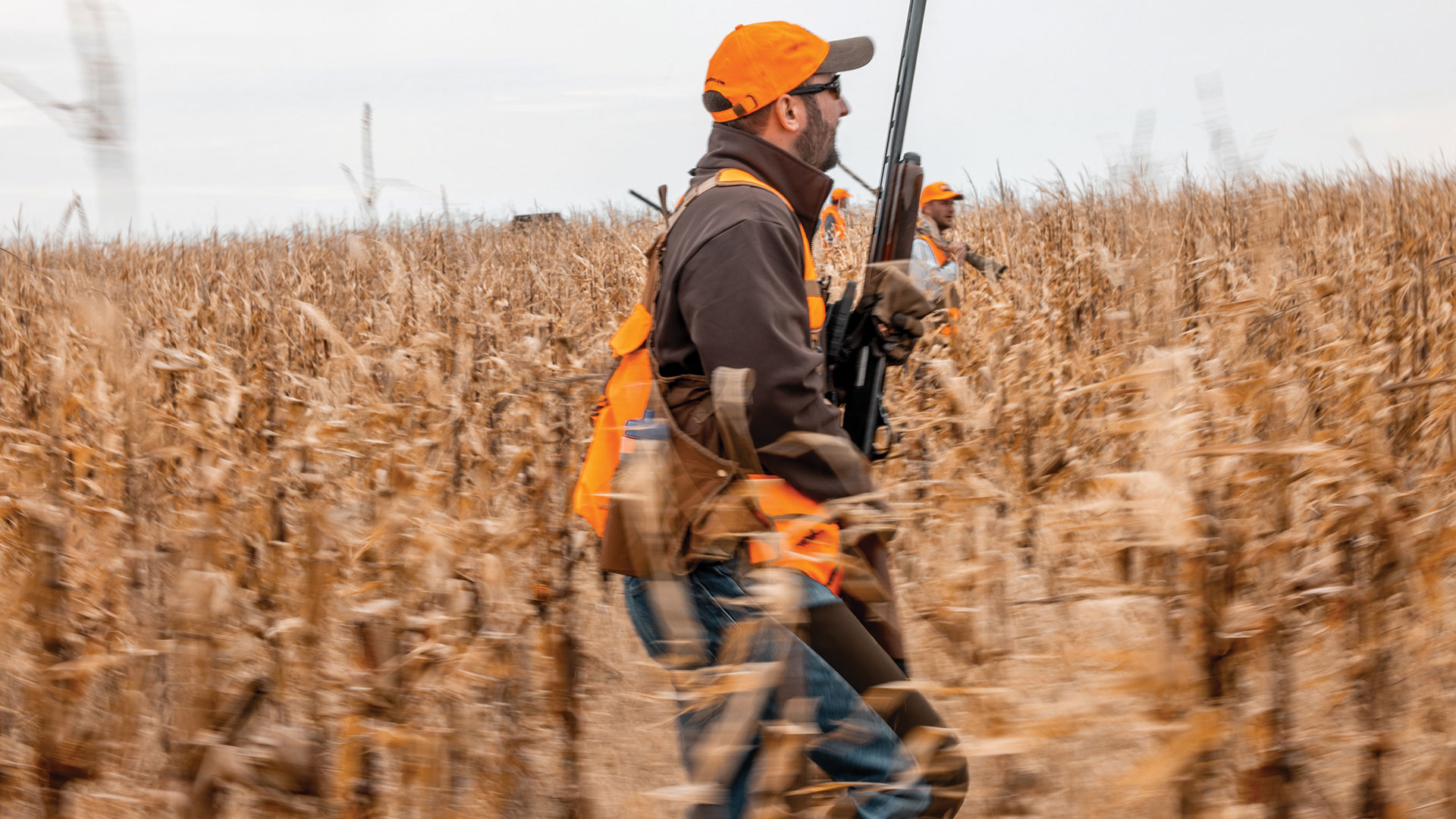
But I actually like a standing field of corn next to good grassy cover. Why? You know most of the birds are there in the crop sanctuary. They have to come back to the grass sometime. That sometime is the last hour of the day.
For me, there is no better golden hour hunt than in the grass next to a standing cornfield where the roosters have been lounging and laughing all day. I may pass up the spot midday, but you can be sure it's marked on onX for a swing when the sun is going down and the roosters have slipped into the grass.
Finally, a chance to get at ‘em.
Listen to the Companion Podcast:
Podcast #387: Pheasant Hunting Equalizers
Diversity
Any cover is better than no cover. It is the only way to have pheasants. But not all pheasant habitat is created equal.
One of the best ways to shore up your chances on roosters is to look for the best habitat. That search always comes down to diversity … a mix of cover types, with an anchor consisting of native prairie containing a mix of grasses and forbs (wildflowers).
A stand dominated by bluestem or other native grasses is good. Better yet is a prairie with forbs mixed in or, even better, forbs outright dominating. How do you recognize this cover?
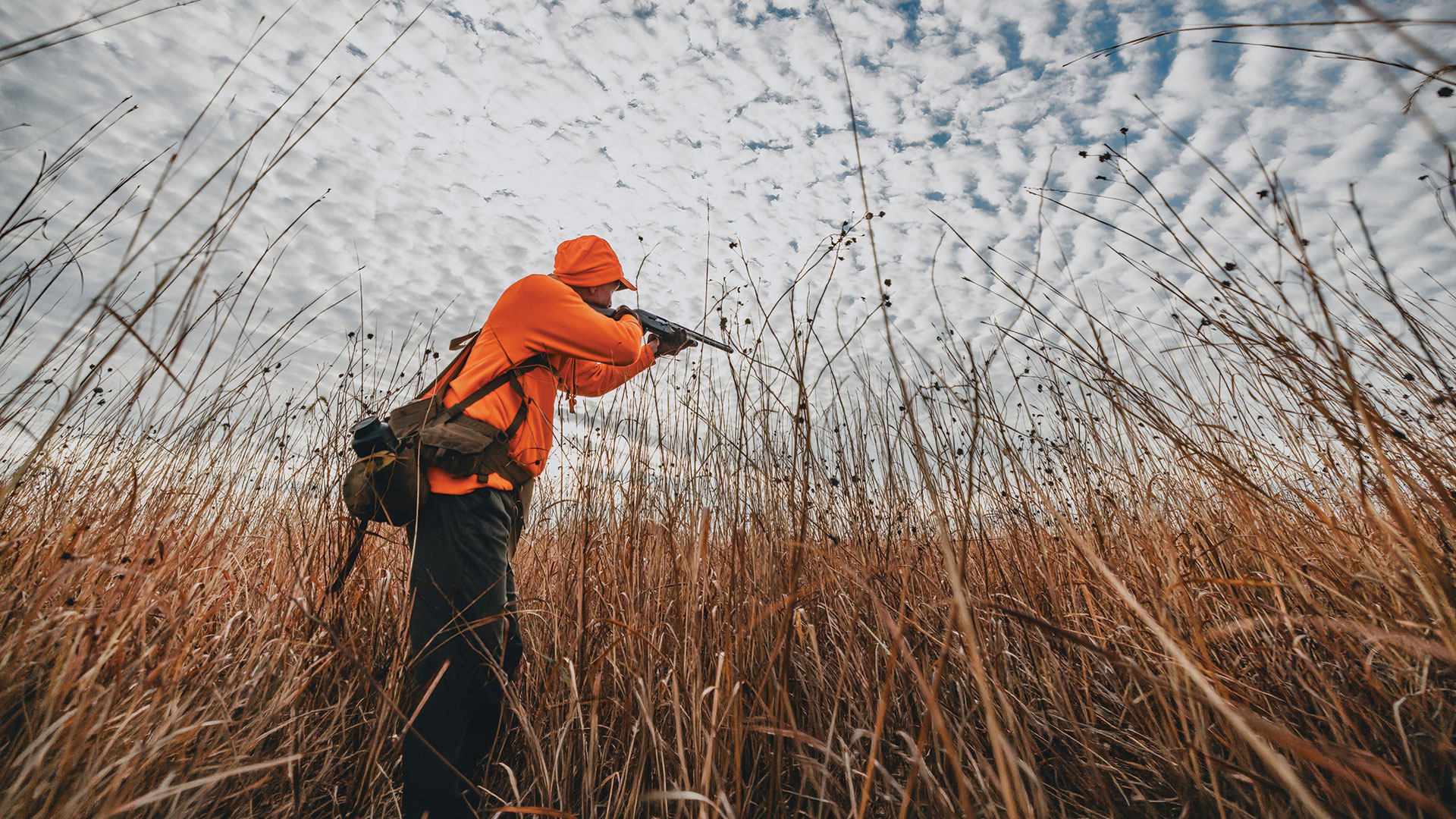
It is dark, not golden or tan or yellow. The stems sport spent flowerheads and leaves. There is room for birds to run around below the canopy. These are the places that pheasants nest, brood chicks, and still like to be come fall.
Even better is when this kind of cover mixes and meshes with wetlands (which provide cattails), brush and thickets (in the form of willow, dogwood or plum and the like), and higher areas with shorter grass and lower areas with taller grass.
Edges. Seams. Transitions. They can all lead you to roosters.
Forenoon
Of course the golden hour — or perhaps, as I like to fashion that time of a pheasant hunting day, the golden two hours — is the best time to hunt pheasants. The birds are moving: heading out to or back from feed, and looking to nestle in to roost in grassy cover for the night.
But if I had to pick a runner-up time, it would be the forenoon.
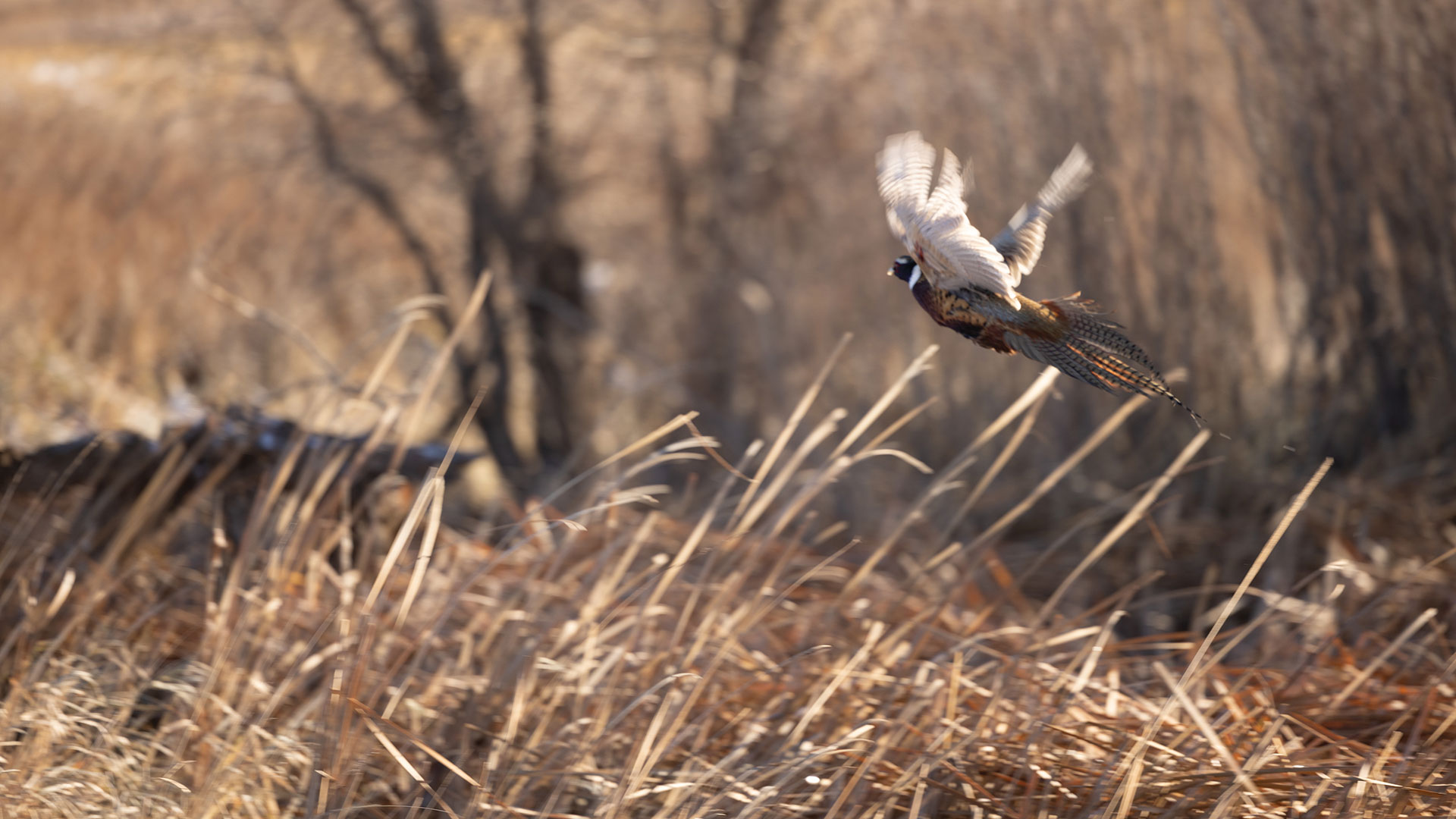
I love that old-fashioned term, "forenoon," first learned from my Bohemian farmer ancestors up on Dry Dog Ridge, because it describes something more than just morning. It harkens to those couple hours leading up to noon.
Now the birds have had a chance to do their morning things (pecking for gravel, feeding, traveling back to a midday hidey hole) and have left some scent for our dogs out on the land.
The birds are back in thicker cover (you know here to look) and settled in (they might be a little more reluctant to move), offering a fighting chance for an approach and a flush or point.
December
This one might better be called "Snow and Cold." It could be January too. Or a wintery November.
The month doesn't matter. The idea does: Some snow, and plenty of cold, may well be the best pheasant hunting equalizer of all.
Cover becomes scant; you know where to go. The birds want thick, thermal cover (cattails, woody thickets, stiff-stemmed grasses and wildflower stalks); you know where to go. Nearby food sources are key; you know where to go.
Yes, birds glom up together, which can make for a challenge with all those eyes and ears watching out and listening up. But a slow and scouring approach will find you and your dog a few roosters that have hunkered in and will offer up some shots.
Classic bluebird days are fun for hunting. Late season hunting is better for bagging birds.
Stealth
At any and every moment of the season, a stealthy approach matters. No door slamming, shouting at dogs, or chit chat (or God help me yelling) while hunting.
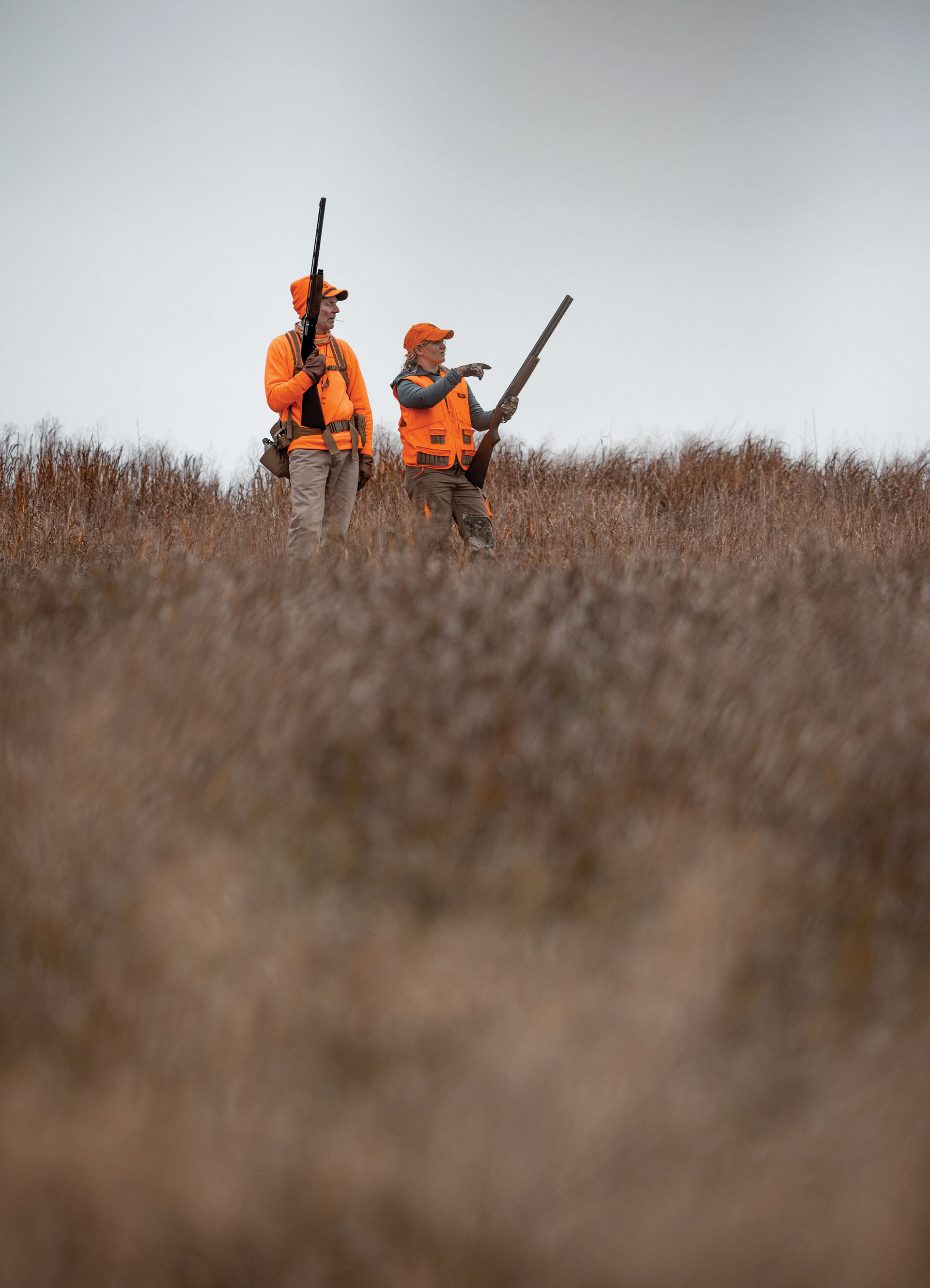
I like to get ready in town or down the road, pull up, sneak out of the vehicle, and start slinking through cover. That's on opening day, the last day, and every day in between.
Ghost it always.
Miles
There is but one ace-in-the-hole equalizer for hunting even the cagiest of roosters: Miles.
The more you walk, the more cover your dog works, and the more chances you have to run across a bird that makes a mistake.
Every step is one step closer to your next rooster. Simple.
Circle through that good looking patch of cover again. Explore that odd corner. Swing up that swale. Push along that ditch. Work the cattail edge. Follow a ribbon of ice through a cattail hellhole … or bull right through. See if the birds are hanging out next to the corn or soybean stubble. Wander the middle of those 80 acres of prairie grass. Go high. Get low. Keep going.
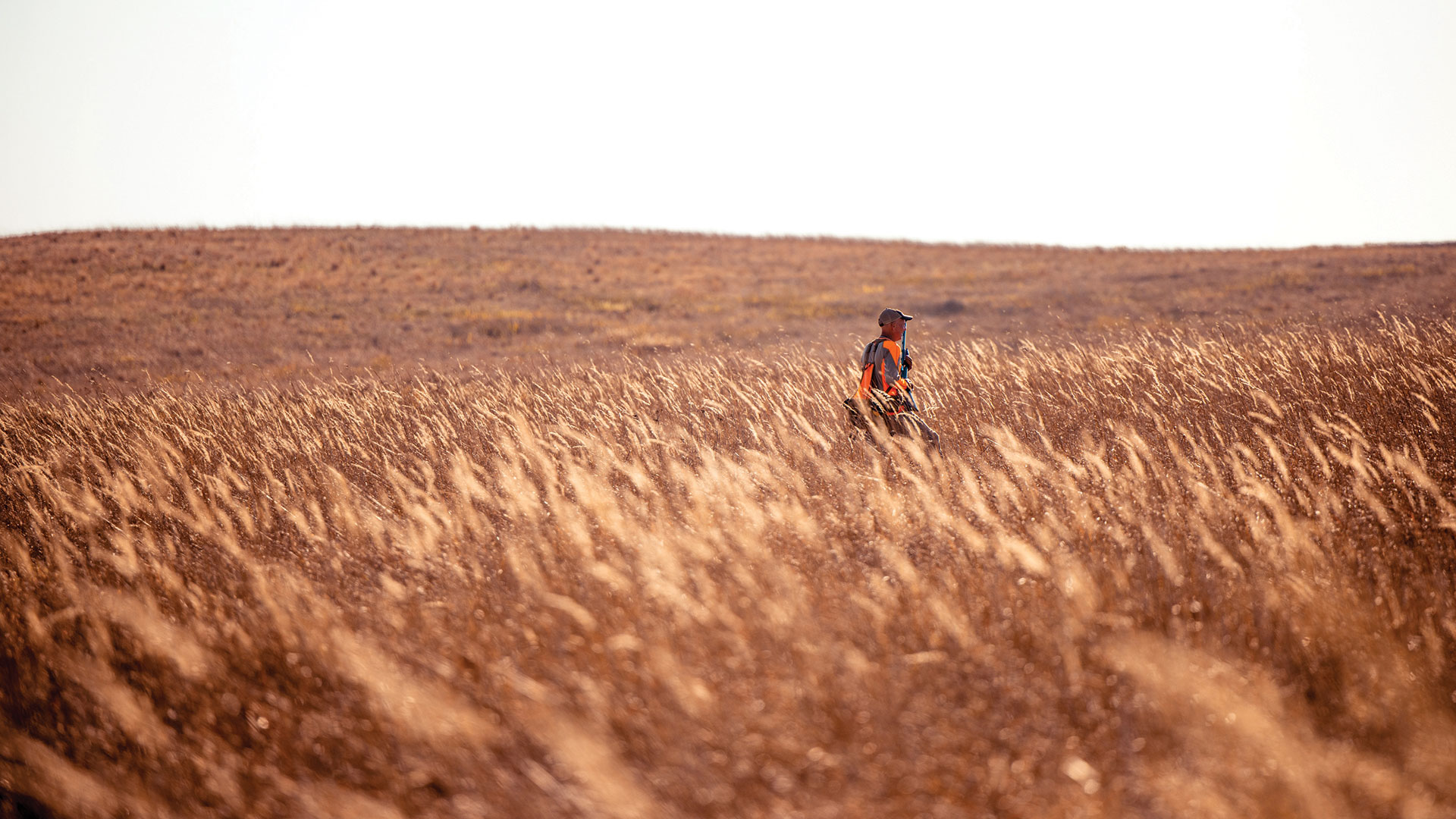
And never overlook the overlooked … that hilltop of shortgrass that every other hunter ignores, the cover along the road, or any place that nobody else has the idea, heart, desire or gumption to go.
Miles and effort make the difference — they become the equalizers — when everything else isn't quite coming together.
You just hunt.
Your cart is empty