
Habitat & Conservation
|
09/17/2026
Hunters of Conservation
The land gives back: three hunter-conservationists take us along
by Megan McGrath
Related Articles


A long hunt across rolling hills brings down an elk. A clear morning on family land leads to a meaningful harvest. Rocky scrambles with dedicated dogs lead to wins with upland birds.
Three Pheasants Forever and Quail Forever employees manage habitat improvement projects in Idaho, Minnesota and Arizona, and know the satisfaction of hunting land that they have improved directly for upland birds, and other game, through their work.
Improving Habitat for Elk, Birds and Bugs in Eastern Idaho
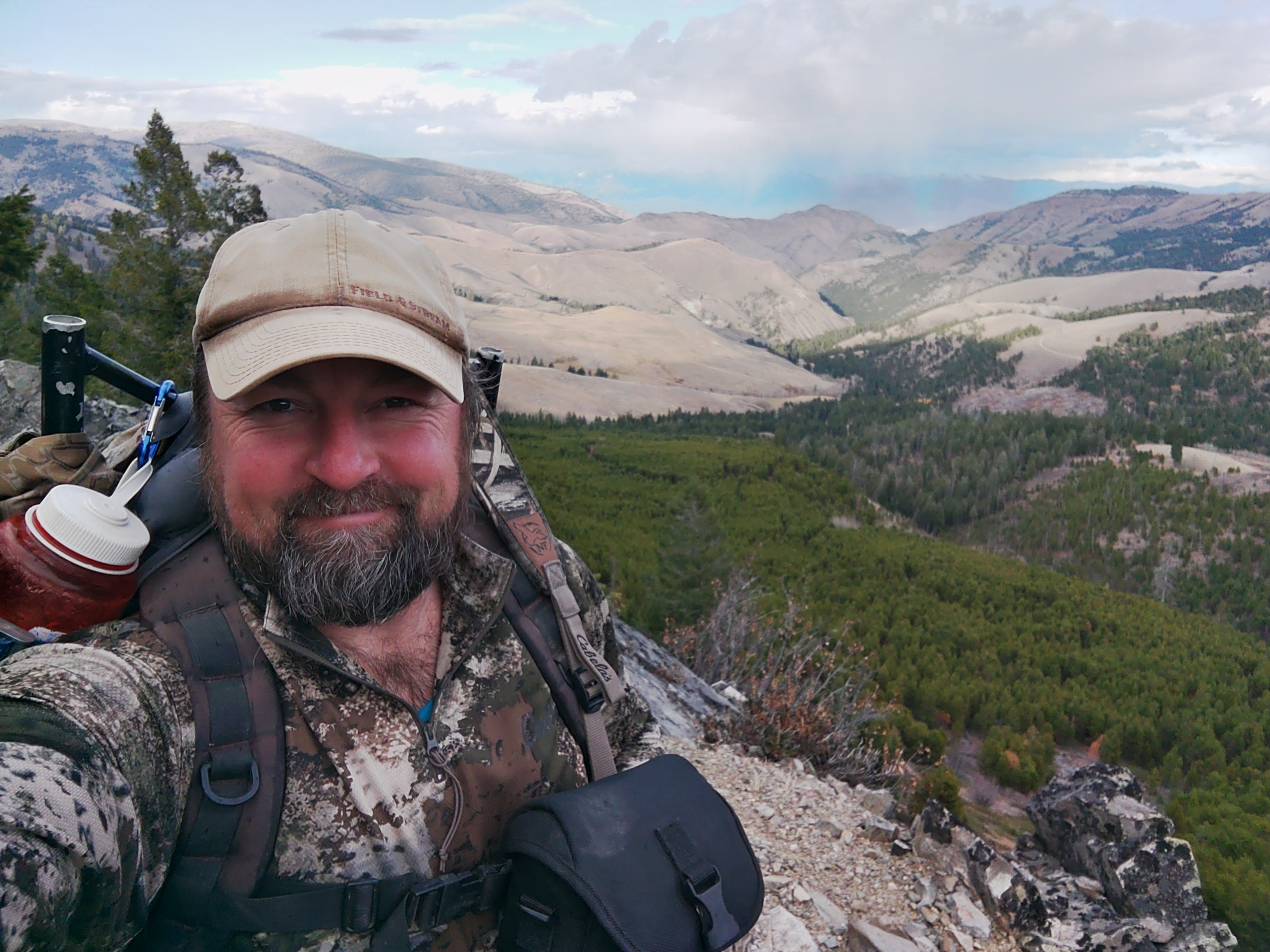
The first time Evan DeHamer harvested a cow elk, it was in Idaho's Soda Hills — on land where his own restoration work had helped improve habitat.
"There's a lot of mountain mahogany in the Soda Hills, which is good winter browse for deer and elk, and there are all these little wrinkled valleys that help game keep out of the weather," says DeHamer, who works as the Idaho Natural Resource Specialist with Pheasants Forever and the Intermountain West Joint Venture. "I had worked with the Bureau of Land Management to restore about 100 acres by planting native grasses and forbs."
After several days of stalking a herd of elk across the rolling hills and valleys, DeHamer had an unexpected encounter.
"I was trying to sneak up through the mahogany on the backside of a ridge and caught some movement out of the corner of my eye," he says. Through his binoculars, he spotted a coyote jogging along the ridgeline. "When it was still 60 or 70 yards away, a raven came down and swooped at it. The coyote snapped back — it looked like they were playing."
Curious, DeHamer followed the interaction — and in the process flushed a few straggling elk, creating an unexpected opportunity and a successful hunt.
For DeHamer, moments like that underscore how closely hunting and conservation are linked.
"Hunters are inherent naturalists," he says. "Whether it's looking at topography, vegetation or where the game trails are, I can take that knowledge to colleagues at places like the U.S. Fish and Wildlife Service, or our state game management agency, and ask, ‘Is this good summer range for elk, or winter range for mule deer?' They have the GPS data to answer those questions, and then we can plan restoration projects together."
Many of the projects DeHamer currently supports use funding through the Bureau of Land Management to convert voluntarily retired row-crop agricultural land back into habitat that better benefits wildlife, including gamebirds.
"When we successfully restore the habitat, the difference is night and day," he says. "Instead of a field of winter wheat, we'll have a mix of native grasses and a wide variety of flowering forbs. Those plants provide important nutrition for elk and mule deer, and soon you'll start to see sharp-tailed grouse, chukar, and Hungarian partridge return — all of which rely on the bugs that gather to pollinate those native plants."
By restoring the diversity of native vegetation, DeHamer explains, the work goes far beyond any one species. Nesting and brood-rearing habitat for gamebirds comes naturally.
"You're re-establishing and supporting an entire web of habitat and food."
"You're re-establishing and supporting an entire web of habitat and food," he says. "And that leads to more stable, robust populations of wildlife of all kinds."
Bringing Grassland Conservation Home in Southeast Minnesota
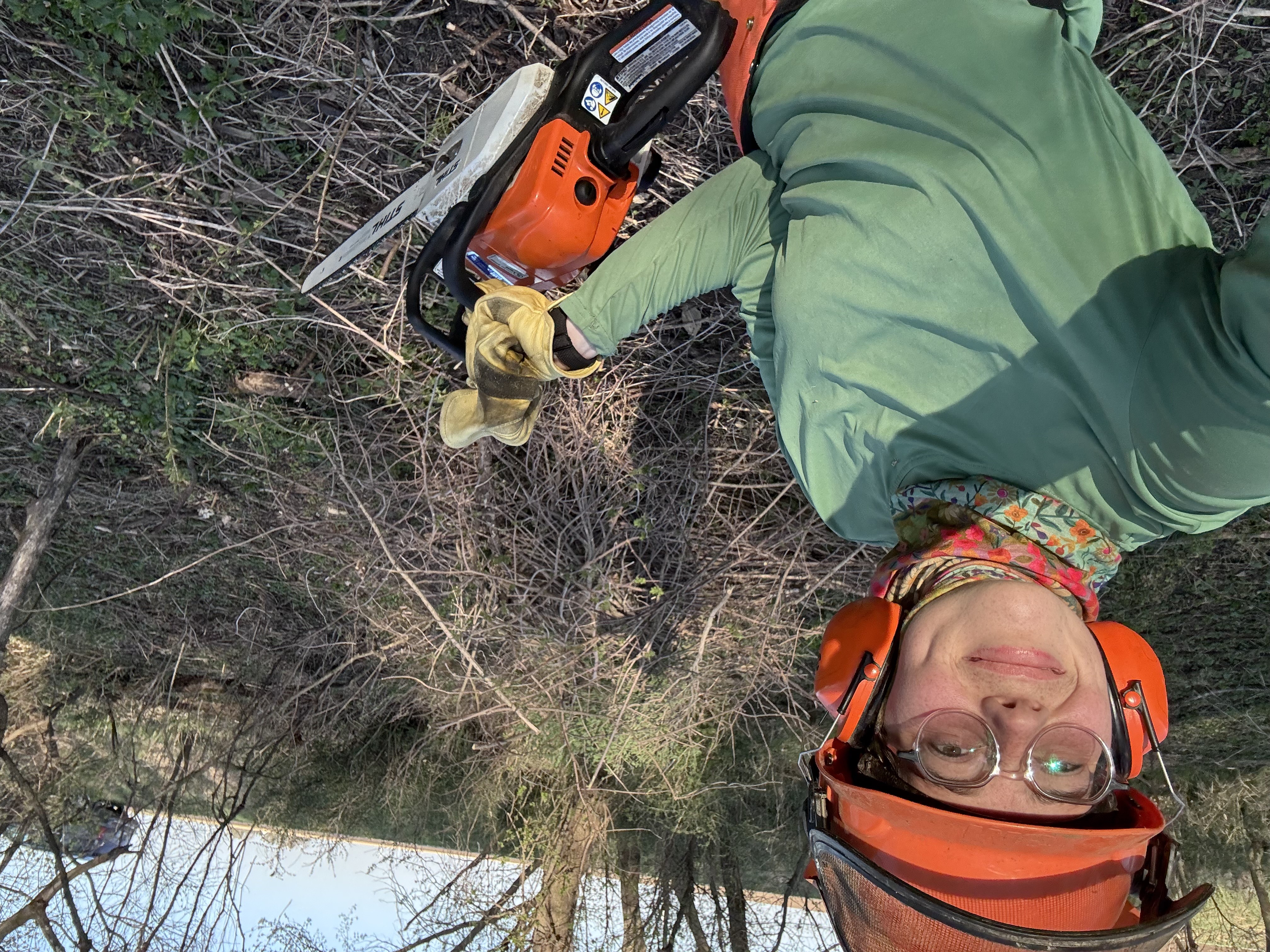
As Pheasants Forever's Area Wildlife Biologist for southeastern Minnesota, Maura Curry leads a team of six people who help farmers secure funding to convert marginal or environmentally sensitive farmland into better wildlife habitat, whether through planting native seed or establishing cover crops for game to forage.
But for Curry, the work really came full circle on the morning she harvested a whitetail doe on her own family farm's land — on habitat she had worked to improve herself on evenings and weekends.
"After we had more cover crops on the land, my family came to me and said, ‘You know, this conservation stuff you're doing is pretty magical,'" says Curry. "My uncle and cousin were seeing the fattest deer they'd ever seen out there."
Out in her family fields, Maura waited one chill autumn morning as the northern lights were followed by a golden sunrise … and a clean shot shortly after.
"It was like I had taken care of the land, and it took care of me in return."
"It was like I had taken care of the land, and it took care of me in return by giving me food through the whole winter," Curry reminisces. "I had brought some native seeds with me, and I planted them where the doe fell. And I promised her that I would take care of her children."
This feeling of coming home to the land by caring for everything that lives there is what Curry and her team work to bring to their community across 24 counties in southeastern Minnesota via the USDA's Conservation Reserve Program.
"There's not an acre that is more loved than by someone who is farming and hunting their own land," says Curry.
The work is meaningful in part because of how directly it impacts game animals like pheasants, which Curry has recently taken up hunting herself.
"As different versions of the Farm Bill pass, impacting acreage within the Conservation Reserve Program since the 90s, we see pheasant populations rise and fall right along with the funding," she says.
But it is also satisfying because Curry and her team get to see the results of their habitat restoration work with their own eyes … and hear it with their own ears.
"I am always struck by the sound of a well-designed conservation planting," says Curry. "It's a cacophony. If habitat is degraded, all you'll hear is the wind. But when it's been restored … chirps and buzzes everywhere. You'll know you're getting dinner if you're a young pheasant."
Tending the Uplands for Game Birds in Arizona's Canyonlands
The first time Jordan Menge went out to chase Gambel's quail in the Arizona Strip, he nearly fell off a mountain.
"My dogs and I went up into some subalpine habitat, ended up at 10,000 feet, and suddenly I was sliding down the steepest slope I'd been on in a long time," says Menge, who first trained his Brittany and Llewelyn spaniel in Midwestern grasslands. "When we're chasing chukar or quail out here, I feel like a bighorn sheep hunter sometimes — like I might need a rock-climbing helmet."
As Arizona Strip Project Manager with Quail Forever and the Intermountain West Joint Venture, Menge knows this rugged region north of the Grand Canyon well. From the cholla-covered basin-and-range topography of Grand Canyon-Parashant National Monument to the sandstone of Vermilion Cliffs and the famed 13B game management unit, the Strip offers a wide range of habitat for wildlife and recreation.
Menge's work focuses on ecological restoration projects that support game species while benefiting the broader ecosystem. These efforts aim to improve the Kaibab Plateau mule deer migration corridor, enhance upland bird habitat, and sustain the biodiversity that underpins both.
"I'm always thinking about what the habitat looks like," he says. "Whether I'm thinking like a big game hunter or chasing quail or chukar, I'll look at the land and think, ‘if we did a little shrub management and got some grasses growing, this country might hold more birds in the future.'"
Much of that work targets controlling the spread of juniper trees, which can crowd out upland shrub habitat.
"With conifer encroachment, we can get near 100% shade cover," Menge says. "By opening the canopy, we allow native seeds already in the soil to get sunlight and regrow into a diverse understory that benefits both mule deer and upland birds."
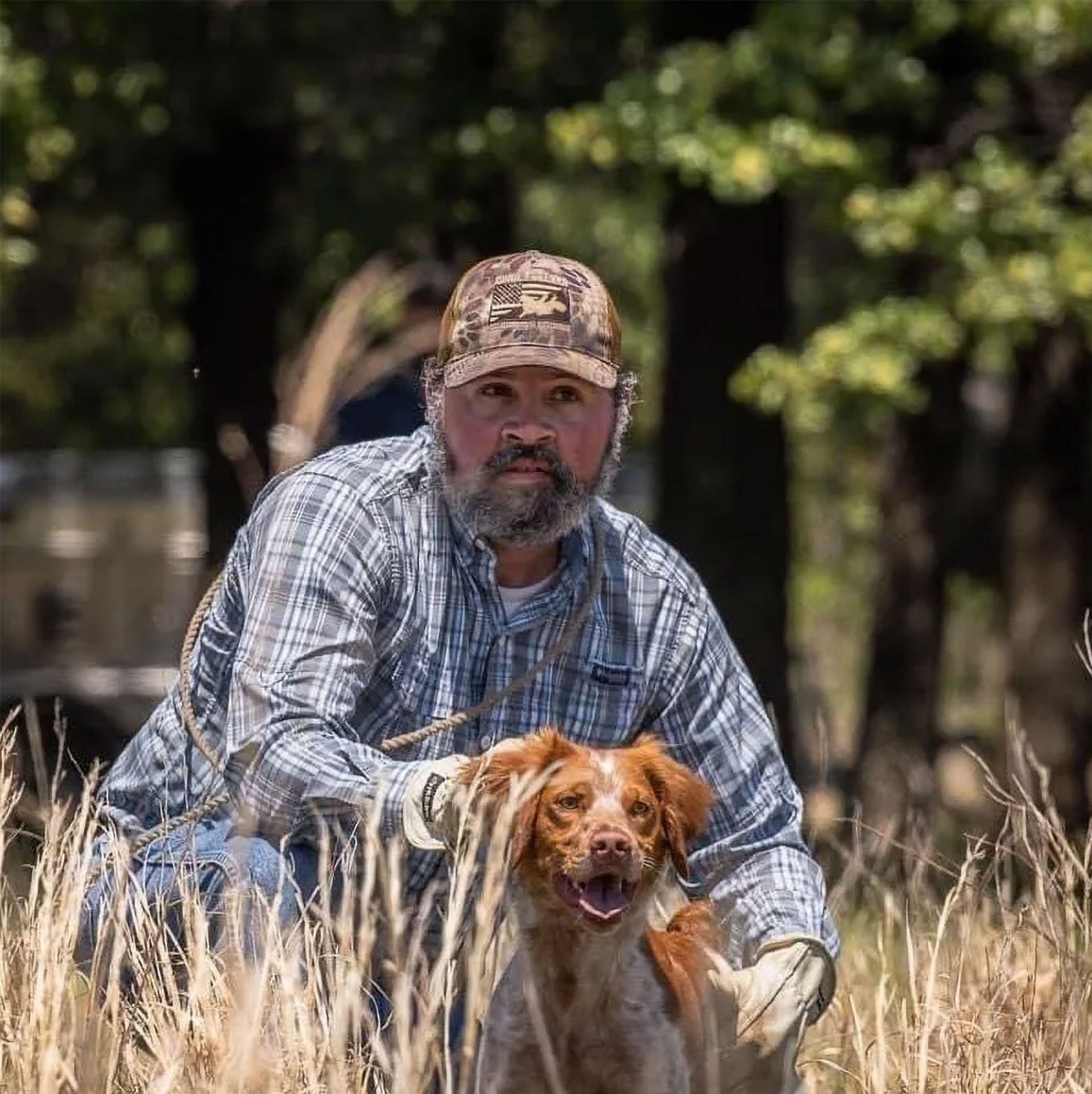
"Caring for public lands means maintaining the resource for all."
For Menge, the payoff is broad. "At Quail Forever and Pheasants Forever, we are a conservation organization filled with hunters, but the work benefits everyone," he says. "Whether you're biking, driving, watching wildlife or just exploring, caring for public lands means maintaining the resource for all."

Your cart is empty