
Habitat & Conservation
|
09/23/2026
Brick by Brick
Building habitat and community on the Iowa-Minnesota border
by Casey Sill
Related Articles


Sponsored by
It is my birthright to dislike Iowa.
I grew up on the Missouri River bottoms of eastern Nebraska, spitting distance from Council Bluffs and the Loess Hills of Iowa. I am a born-and-bred Cornhusker, trained to look down my nose at our eastern neighbors. But the truth is — I love the Hawkeye State.
I love the diversity, from the trout streams in the Northeast, to the Loess Hills near my old stomping grounds, to the truly underrated and gorgeous rolling countryside between I-80 and the Missouri border. The state brims with outdoor opportunity.
Last November, that opportunity brought me to the borderlands of northwestern Iowa and southwestern Minnesota, to hunt late-season roosters on public land. I was there to explore Pheasants Forever's Build a Wildlife Area® program (BAWA), and its impact on both habitat and community. What I found was public access at its finest, and people who care deeply about preserving it.
The entire concept of public land eluded me until I was in my mid-20s. There was essentially no public access in eastern Nebraska when I was growing up. When I moved to Minnesota, I vividly remember printing my first public land atlas (pre-OnX) and being blown away by the idea that I could just roll up to any one of these little dots on the map and hunt.
It is not being overdramatic to say it changed my life.
The BAWA program has created thousands upon thousands of acres of habitat that provide access across the country.
One of the shining examples of that work is in northern Iowa, where border-hopping conservationists have created a massive complex of publicly accessible habitat one piece at a time — brick by brick.
The first stop on my BAWA tour was actually in Minnesota, at a brand-new piece of public land just north of the Iowa border.
The day was mid-November at its finest — unsure whether to pledge allegiance to fall or winter. My guide was PF’s Minnesota State Coordinator Sabin Adams and his half-Lab, half-coonhound mutt — a dog that looks remarkably like Goofy's sidekick Pluto but hunts just as hard as any pureblood on four legs.
The birds were plentiful, but also typical of November: wily, educated and difficult to pin down. We shot one rooster all day. But we were covered in wildlife. Not just pheasants, but whitetails, tundra swans, muskrats — and hordes and hordes of mallards.
There's normally nothing particularly remarkable about seeing all of these creatures on a fall afternoon in the Midwest. But what stands out is their recent pilgrimage to this piece of land.
Two years ago the property was nothing but a big square of row crops, with a tiny square of dried wetland in the middle. Now it was teeming with life.
And as you zoom out and look at BAWA on a grander scale, that story is repeated time and time again.
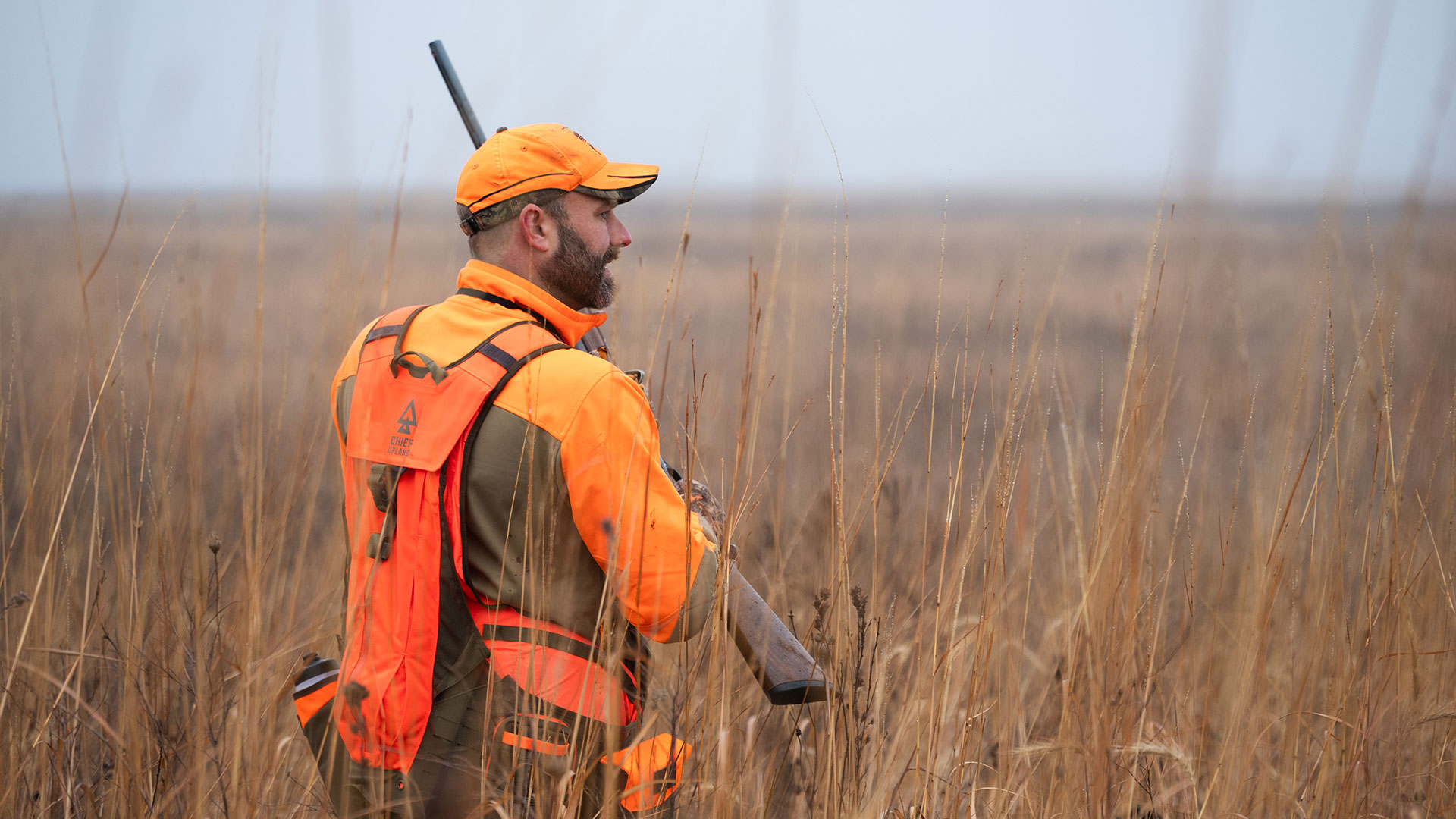
The next day we explored Iowa proper, moving from cover to cover on a nearly 2,000-acre complex of public land that BAWA has been helping build for over 20 years.
Along for the day this time was PF's Iowa State Coordinator Josh Divan, whose Lab is less Pluto, more "The Beast" from Sandlot. With his giant dog in tow, Divan showed me how the complex had been added to over the years, fitting misshapen pieces together in a never-ending game of Tetris.
What struck me even more than the quantity of public land however, was the quality.
The habitat was immaculate and well cared for, which doesn't happen by accident. It spoke to a local culture that cares deeply about the natural world.
Like so much of the pheasant range east of the Missouri River, this land is busy. The sound of grass at your feet is mixed with trucks and combines on dirt roads, cattle at nearby farms, and the distant hum of a grain dryer.
But somehow it all makes everything seem more alive, more interconnected. This isn't wilderness. It isn't vast tracts of the unknown.
But that doesn't diminish the value. In fact, I think it's the opposite. These properties are sewed into the fabric of our lives. They are part of our communities, and part of our families. We pass by them on our way to work and remember lost birds and solid points.
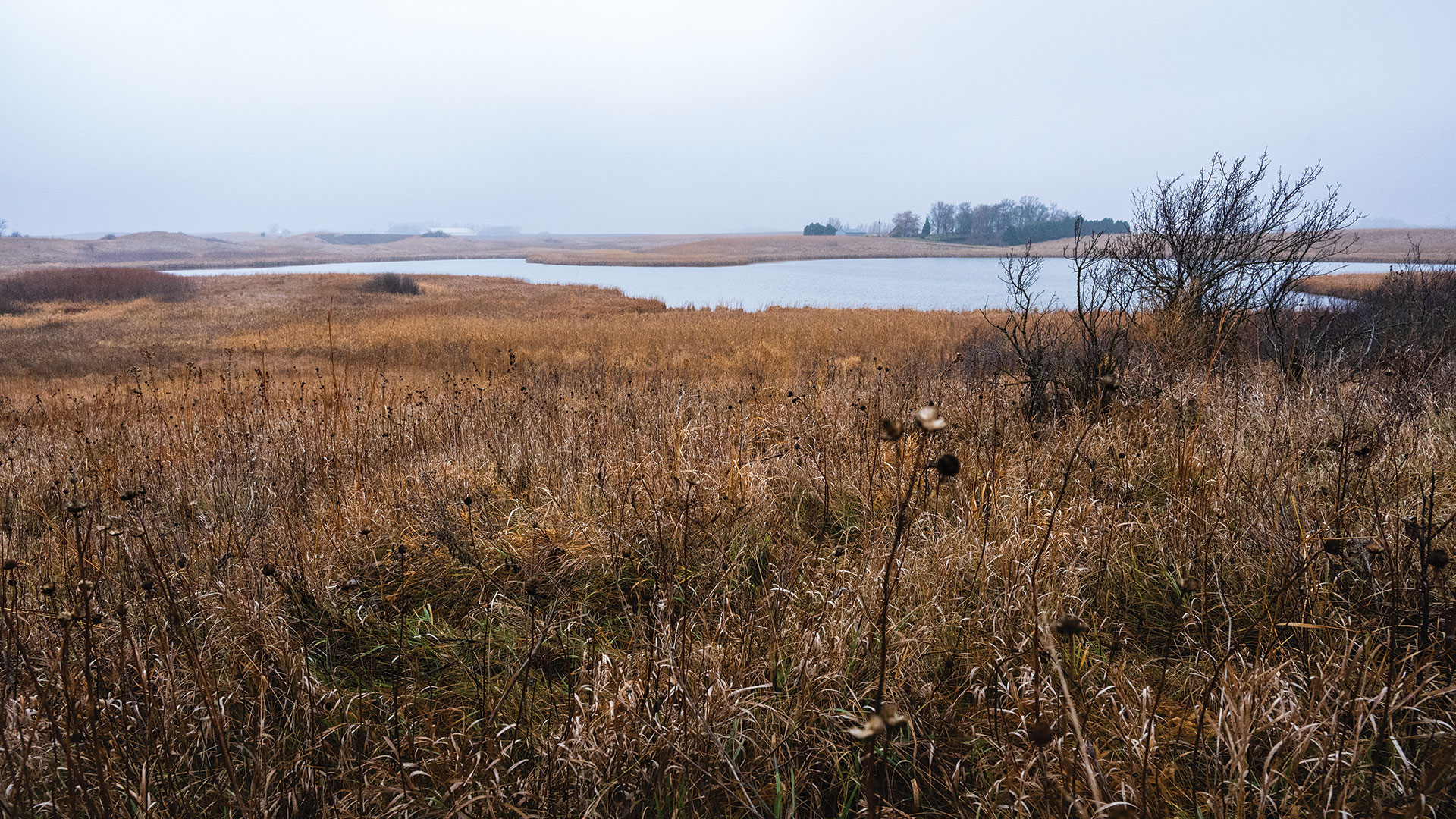
These properties are sewed into the fabric of our lives. They are part of our communities, and part of our families.
Cold November mornings when we walked in silence with our dogs. And there lies the true value of BAWA and public access — people.
The more time you spend in these communities, the more you realize just how many people are connected to these projects. And as profound of an impact as BAWA has made on habitat, it goes much deeper than that.
In northern Iowa, habitat and access are much a part of the culture as farming or college football. And in a state that is 97 percent privately-owned, that is important work.
The Iowa Great Lakes PF Chapter has been at the forefront of that work for years, with members like Mary Jo Rapp — who had recently been named a 2025 Pheasants Forever Volunteer of the Year Finalist.
My last night in Iowa, I sat in on a chapter meeting run by Rapp. The mood was light as the board discussed an upcoming banquet. But as I do during all meetings of any kind, my mind eventually started to wander. I thought of the last several days. The tough hunting and cold mornings. The incredible habitat and abundant access. The small towns and kind people who were so eager to share it all with me — a native Nebraskan now from Minnesota, no less.
I thought of how my old newspaper publisher from Le Mars told me he thought Iowa's best feature was its people. He couldn't be more right. In my upland travels, there is no one more friendly, gracious or eager to share the habitat they've created than folks from Iowa.
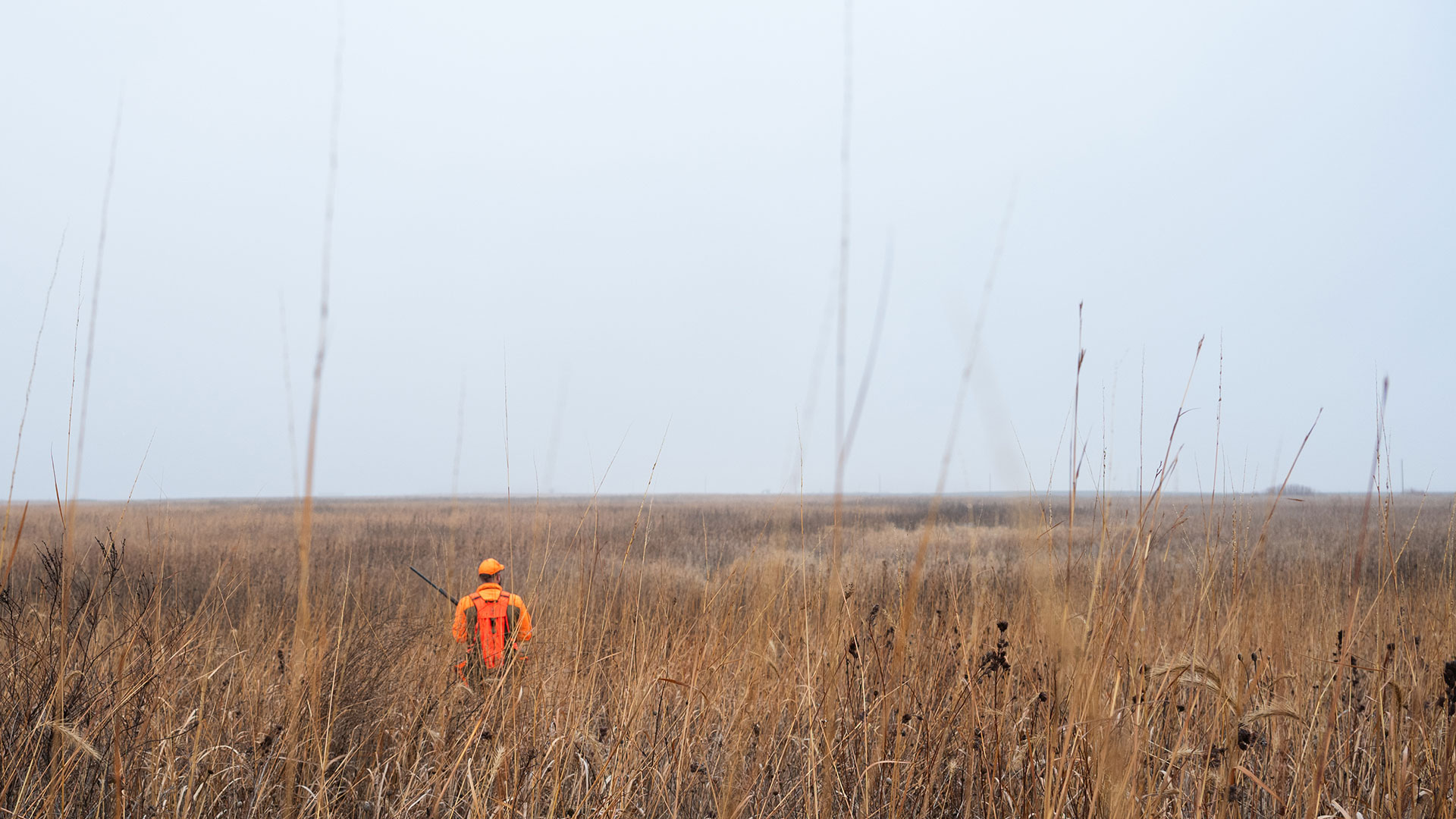
There is no one more friendly, gracious or eager to share the habitat they've created than folks from Iowa.
My daydream brought me back to the meeting when I thought how it all starts right here. In garages and living rooms, with small bands of volunteers eating steak off paper plates and talking about how to protect the world they love so much.
You do that in enough living rooms, in enough states, for enough years, and you get big results.
We always talk about The Mission, to the point it can sometimes sound trite. But my time exploring the BAWA program in northern Iowa and southern Minnesota reinforced just how real Pheasants Forever's mission really is. To see the fruits of volunteer effort, and the impact it has on small towns all across the pheasant range, is inspiring to say the least.
James Doolittle famously said, "There's nothing stronger than the heart of a volunteer." The Iowa chapters and members of Pheasants Forever have proven that's true in spades.
Listen to the Companion Podcast:
Podcast #383: How Public Land Changes Hunting One Parcel at a Time

Your cart is empty