Bird Dogs & Training  |  01/15/2026

Sporting Dog Shorts - Keeping Your Bird Dog Sharp: A Hunter's Guide to Senior Sporting Dog Health


45cf29ec-dcb4-4985-aad3-b41f162d9257

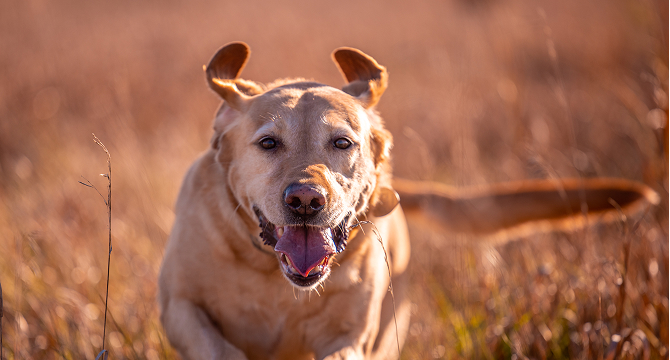
If you've hunted behind the same dog season after season, you know that bond only gets richer with time. There's nothing quite like watching a dog you've trained, trusted, and trekked countless miles with slip into the uplands beside you — still eager, still sharp, still your partner.

But around age 7, that dependable bird dog officially earns the title of senior. Most hunters never notice the shift at first. After all, our dogs still charge into the field with that same sunrise ready enthusiasm. Their eyes light up like always. Their tail still thumps when the gun comes out.

Yet beneath that grit and drive, their bodies and brains begin changing in subtle ways. The good news? With a few thoughtful adjustments, you can help your senior sporting dog keep hunting comfortably and confidently for years to come.

Let's break down what's happening — and what you can do to keep them sharp.

WATCH: PURINA Sporting Dog Shorts — Senior Bird Dogs

Inside the Senior Sporting Dog: What's Changing?

Digestion Slows Down

As dogs age, their digestive system doesn't process nutrients as efficiently as it used to. Protein — the key nutrient to maintaining muscle, stamina, and recovery — doesn't absorb quite as well, which can lead to:

  • Gradual muscle loss
  • Softer stool or GI upset
  • Less robust immunity
  • A duller coat

Choosing a high quality, highly digestible diet helps ensure your dog gets the fuel they need in the field and at home.

Gut Health: It's About More Than Just Poop

A senior dog's microbiome becomes naturally less diverse over time, and that can impact digestion and mood. With 70% of the immune system associated with the g.i. tract, keeping digestion functioning at its best is essential to overall health.

Gut Health and Immunity

Did you know that about 70% of your dog's immune system is tied directly to their gut? That means keeping their digestion in top shape is more important than ever, especially as they get older. When your senior sporting dog's digestive system is running smoothly, not only do they absorb nutrients better, but their body is also better equipped to ward off illness and stay strong. Helping them maintain a healthy gut is key to keeping them happy, active, and ready for whatever comes next—whether that's a day in the field or curling up at home.

Daily probiotics like FortiFlora to support gut and immune health or Calming Care for anxiety help support a healthy lifestyle — which in turn maintains energy, focus, and overall well being.

Joint Health: Years of Hard Work Add Up

All those seasons busting through cattails, scaling ridge lines, and slamming into that perfect point take a toll. Arthritis is incredibly common in senior sporting dogs. You may notice:

  • Slower starts first thing in the morning
  • A little stiffness before they loosen up
  • Shorter strides
  • Hesitation with jumps or rough ground

What helps most:

  • Keeping them lean is the single most impactful thing you can do
  • NSAIDs (carprofen, meloxicam) as recommended by your vet
  • Joint supplements like omega 3s, glucosamine, chondroitin
  • Body work: massage, acupuncture, conditioning, rehab

Each of these helps on its own — but together, they can significantly extend your dog's comfortable hunting years.

Weight: The Silent Career Shortener — And the Longevity Booster

Here's where a little extra detail matters, because keeping your senior dog lean isn't just about looks — it's one of the most powerful tools you have to boost:

  • Mobility
  • Comfort
  • Stamina
  • Lifespan

Senior dogs burn fewer calories, even if their drive makes them seem unchanged. And even 10-15% extra body weight — we're talking just a few pounds — puts major strain on joints, increases inflammation, worsens arthritis pain, and raises the risk of conditions like diabetes or heart disease.

A lean senior dog doesn't just move more easily. They live longer and healthier. Studies consistently show that maintaining ideal body condition can add up to almost two extra years of good quality life.

For hunters, that means:

  • More seasons together
  • More miles
  • More memories
  • More chances to watch your dog do what they were born to do

A lean dog is a happy, agile, and long hunting dog.

The Senior Dog Brain: Keeping Them Mentally Sharp

As dogs age, their brain becomes less efficient at using glucose, its main energy source. That's often when you may notice:

  • Slower reactions
  • Mild confusion
  • Restlessness at night
  • Increased anxiety
  • Momentary lapses in commands they've always known

Bright Mind: Fuel for the Aging Brain

Purina Pro Plan Bright Mind® diets provide MCTs (medium chain triglycerides) — a special botanical oil that gives the brain an alternative fuel source.

Hunters frequently describe the effect as their dog becoming "more mentally sharp" again:

  • More focused
  • Quicker to respond
  • More engaged
  • More like their younger self

AdvantEDGE Senior Support+: All Around Support for Aging Hunters

If Bright Mind boosts brainpower, AdvantEDGE Senior Support+ takes it a step further with an all in one approach that supports the senior sporting dog where it matters most.

It delivers cognitive support (Bright Mind Technology), immune support with a specialized blend, and mobility support with omega three fatty acids.

For upland hunters, AdvantEDGE Senior Support+ gives you a partner who is still sharp, mobile, and resilient — even as the years add up.

Behavior & Enrichment: A Job Still Matters

Aging may slow their muscles, but it doesn't dim their drive.

Senior bird dogs still crave purpose.

Great low impact outlets include:


  • Scent games
  • Nosework
  • Short, thoughtful retrieve sessions
  • Food puzzles
  • Controlled conditioning

These keep your dog mentally engaged, fulfilled, and ready to tackle the next season.

Dental Health: The Hidden Performance Issue

Dental disease often sneaks up on even the toughest sporting dogs. Pain and infection in the mouth affects appetite, energy, and overall health. Recent studies have shown a relationship between dental disease severity and rate of cognitive decline.

Professional cleanings — done with proper senior dog precautions — are safe and often reveal issues you'd never spot yourself.

Your Veterinarian: Your Partner in the Senior Years

Senior dogs thrive with:

  • Twice a year exams
  • Annual bloodwork
  • Close monitoring of subtle changes

Catching issues early keeps your dog in the game longer.

Bottom Line: Age Isn't a Disease

Your senior bird dog still wants to hunt. Still wants to work. Still wants that connection only time and shared miles can build.

With the right nutrition, weight management, joint support, cognitive care, and partnership with your vet, those later years can be some of your very best together — full of crisp mornings, proud points, solid retrieves, and tailgate photos you'll treasure forever.

Here's to keeping them strong, sharp, and right at your side for as many seasons as possible.

Dr. RuthAnn Lobos

Want to learn more? View the entire Sporting Dog Shorts catalogue of educational episodes HERE.